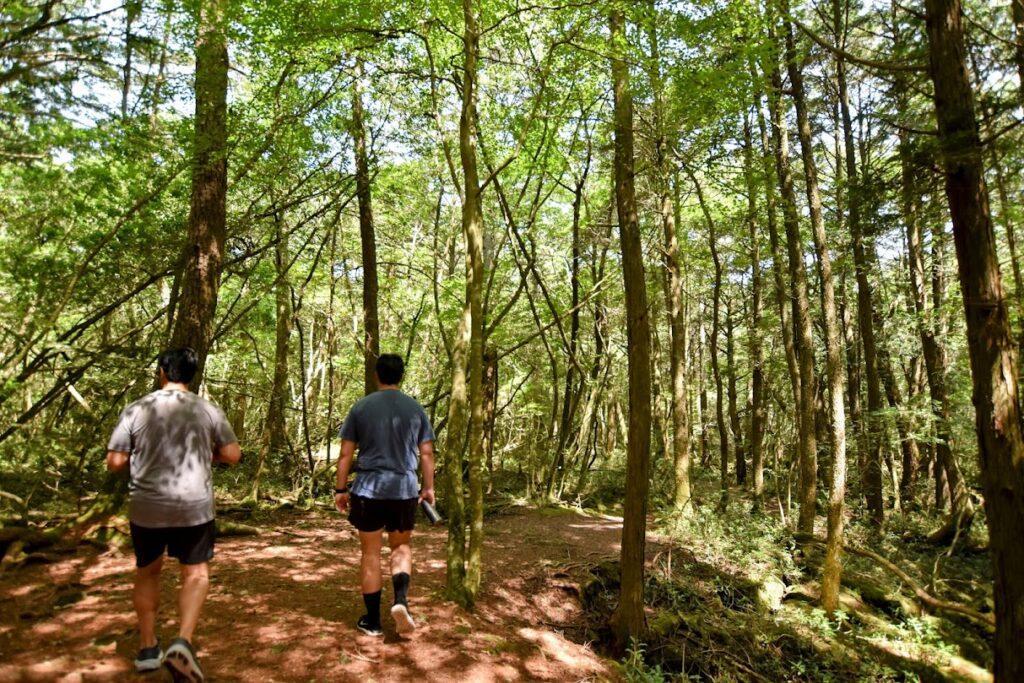
Discover the Enchanting Forest Near Tokyo
Just two hours from Tokyo lies one of Japan’s most fascinating natural wonders: Aokigahara Forest, also known as the Sea of Trees. Located at the base of Mount Fuji in Yamanashi Prefecture, this vast woodland is a destination that blends natural beauty, cultural history, and mystery — making it an unforgettable stop for international travelers.
Tokyo Travel Assist offers a Mt. Fuji day tour. In this tour, you can enjoy Aokigahara and near-by area as a option.
 The Unique Landscape of Aokigahara
 The Unique Landscape of Aokigahara
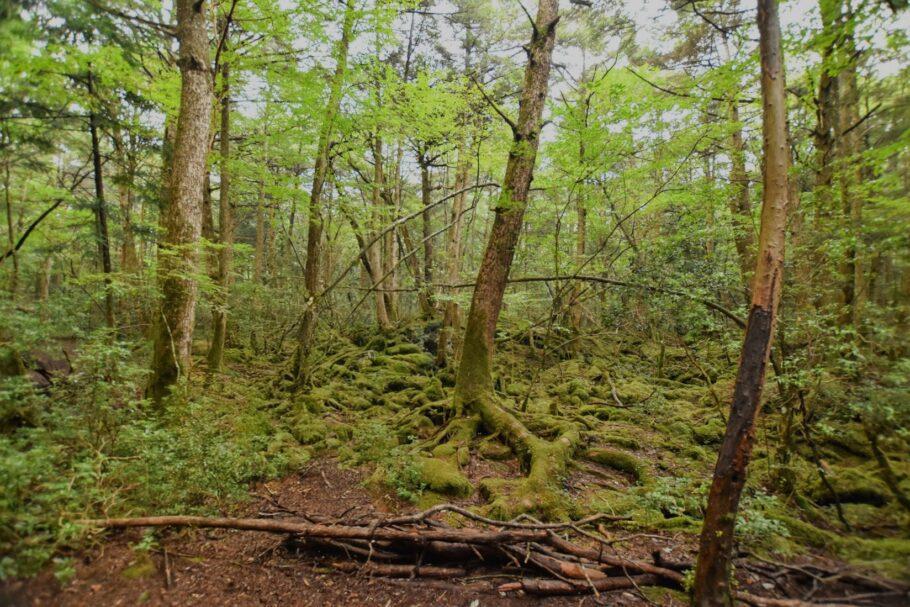
Formed more than 1,000 years ago by a massive eruption of Mount Fuji, Aokigahara is a forest growing on hardened lava. Its terrain is unlike any other in Japan, with:
Dense evergreen trees creating a natural maze
Moss-covered rocks and roots giving the forest an otherworldly feel
Seasonal beauty — vibrant green in spring, fiery red in autumn, and serene snow in winter
It’s no surprise that many call it one of the most mysterious forests in the world.
History and Cultural Significance
Aokigahara has been closely tied to Fuji worship and Japanese spiritual traditions. For centuries, pilgrims and monks sought enlightenment within its quiet depths. Unlike European enchanted forests, Aokigahara embodies a unique Japanese blend of spirituality and raw nature, creating a sense of entering another realm.
The Birth of the Forest: A Forest Nurtured by the Jogan Eruption
Aokigahara Forest is not just any ordinary forest; it is a special “Forest of Life” created by a volcanic eruption of Mt. Fuji over 1,200 years ago.
The Jogan Eruption (864 A.D.)
Approximately 1,200 years ago, a major eruption, known as the Jogan Eruption, occurred on the northwestern side of Mt. Fuji. The vast amount of lava that flowed from this eruption formed the foundation of what is now Aokigahara Forest. This lava cooled and solidified, creating the complex, undulating lava plateau.
The “Survival Strategy” of the Trees
On this hard lava plateau, trees cannot grow deep roots. Therefore, the trees in the forest have developed a “survival strategy” of spreading their roots horizontally across the surface, as if clinging to the ground. These powerful, widespread roots are a unique sight in the Aokigahara Forest, symbolizing the sheer vitality of life in this harsh environment.
The Mystique of the Sea of Trees
Visitors are often fascinated by Aokigahara’s silence. The thick foliage blocks sound, and the volcanic terrain sometimes interferes with compasses. These features have fueled legends, but they also make the forest a place of profound tranquility. Many travelers describe it as both mysterious and peaceful, a rare balance of awe and calm.
The Truth Behind Aokigahara’s Urban Legends
Dispelling the Myths: Compass Confusion and the “Lost Forest”
A Note on the Forest’s History and Respect
Overview & Geography
Aokigahara Forest, often called the Sea of Trees, stretches across roughly 30 square kilometers at the northwest base of Mount Fuji. The forest was formed on a vast lava plateau created by the eruption of Mount Fuji in 864 CE, when molten rock flowed down and solidified, later allowing vegetation to take root.
The terrain is striking: uneven volcanic rock, hidden caves, and dense vegetation make the forest both enchanting and disorienting. Beneath the surface lies a network of lava tubes and caverns, some of which remain frozen year-round. Because of the iron-rich volcanic soil, compasses and GPS devices often behave erratically, adding to the forest’s mysterious reputation.
Despite these unusual conditions, Aokigahara has developed into one of Japan’s most unique ecosystems, with thick moss carpets, twisted tree roots, and a quiet, almost otherworldly atmosphere.
Flora & Fauna
Although its soil is shallow and rocky, Aokigahara supports a remarkable range of plant and animal life.
Flora: The forest is dominated by Japanese hemlock, cypress, and broadleaf evergreens, while mosses and ferns thrive on the porous lava surface. Seasonal plants, such as azaleas in spring and colorful maples in autumn, add bursts of color to the otherwise deep green landscape.
Fauna: Wildlife is equally diverse. Visitors may encounter:
Japanese deer (sika deer) grazing at the forest edge
Foxes and raccoon dogs moving stealthily through the underbrush
A variety of birds, including woodpeckers, Japanese bush warblers, and owls
Several species of bats, especially near the lava caves such as the Lake Sai Bat Cave, which provides shelter for hundreds of hibernating bats
Together, this biodiversity creates a rare and balanced ecosystem, sustained by the forest’s unique volcanic environment and its relative isolation.
Best Things to Do in Aokigahara
Exploring Aokigahara is safe and accessible with marked trails and tours. Top attractions include:
Aokigahara Hiking Trails – Short walks or longer treks through the forest’s most scenic areas.
Narusawa Ice Cave & Fugaku Wind Cave – Popular lava caves filled with natural ice formations, open year-round.
Guided Nature Tours – Local experts share insights about geology, history, and legends while keeping you safe. Some tour are avaialbe for this tour like Mt. Fuji tour by Travel Assist Japan.
Photography & Wildlife – Capture unforgettable forest landscapes and spot native birds and animals.
Safety Tips and Forest Etiquette for a Respectful Visit
Essential Safety Guidelines
Item | Details | Reason |
Stay on the Trails | Always walk only on the marked hiking trails. Venturing off-trail is extremely dangerous and can lead to getting lost. | The lava plateau has uneven footing, and the intertwined roots on the surface pose a high risk of slips and falls off the trail. |
Equipment | Be sure to bring comfortable walking shoes (trekking shoes recommended), warm clothing (the caves are cold), a flashlight (for inside caves or after sunset), water, and food. | The temperature inside the caves is near freezing year-round. The weather can also change suddenly. |
Avoid Solo Hiking | If possible, join a guided tour or travel in a group. | The forest is quiet and it’s easy to lose your sense of direction, so having an experienced guide is the safest option. |
Emergency Contacts | Keep the contact information for the Fujikawaguchiko Town Hall and local police. Cell phone reception can be poor in some areas. | This allows for a swift response in case of an emergency. |
Forest Etiquette: Respecting the Environment
Why Aokigahara Should Be on Your Japan Itinerary
Few destinations in Japan combine natural beauty, cultural history, and mystery quite like Aokigahara. Whether you’re looking for a day trip from Tokyo to Mount Fuji, or a deeper adventure into Japan’s natural landscapes, the Sea of Trees offers an experience you won’t forget.
Plan Your Visit
If you want to go beyond Japan’s cities and temples, Aokigahara Forest at Mount Fuji is a must-see. Step into the Sea of Trees, explore its caves, and discover why travelers from around the world describe it as one of the most mysterious and unforgettable places in Japan.
🌲 Exploring Aokigahara: Two Scenic Walking Trails in Japan’s Sea of Trees
Just an hour from Mount Fuji’s famous lakes, the Aokigahara Forest (Sea of Trees) offers visitors a chance to step into one of Japan’s most fascinating natural landscapes. Far from its mysterious reputation, Aokigahara is also a place of quiet beauty, ideal for nature walks and discovery. Here are two recommended walking courses to enjoy the forest safely and memorably.
1. Aokigahara Nature Trail (Narusawa Ice Cave – Fugaku Wind Cave)
Time: About 1 hour (easy walk)
Highlights:
Start at Narusawa Ice Cave, where natural ice remains even in summer.
Walk through mossy forests with centuries-old cedar and cypress trees.
End at Fugaku Wind Cave, a lava tunnel once used to store silkworm cocoons.
👉 This short loop is perfect for first-time visitors or families. It combines the unique volcanic landscape of Aokigahara with easy access to its most famous caves.
2. Saiko Forest Trail (Saiko Wild Bird Forest Park – into Aokigahara)
Time: 2–3 hours (moderate hike)
Highlights:
Begin at Saiko Wild Bird Forest Park, where nature lovers can spot local bird species.
Follow the trail deeper into Aokigahara, passing lava rocks and moss-covered trees.
The path eventually leads toward Narusawa Ice Cave, making it possible to combine with the first course.
👉 This trail is ideal for travelers who want a deeper forest experience. It’s quieter, perfect for photography and listening to the natural sounds of the forest.
Travel Tips
To safely enjoy Aokigahara Forest, preparation is key. With the right gear for each season and weather condition, you can have a comfortable and enjoyable walk through the forest.
Essential Items Checklist
Map, Compass, or GPS: Mobile phone service can be unstable in some parts of the forest. Be sure to prepare an offline map app or bring a physical map and a compass.
Water and Snacks: Especially in summer, staying hydrated is crucial to prevent heatstroke. It’s also wise to carry easily portable energy-boosting snacks like chocolate, just in case.
Flashlight (Headlamp): A flashlight is essential for exploring caves and for walking after dark on the forest paths, as it gets very dim.
First-Aid Kit: It’s reassuring to have a basic kit with bandages, antiseptic wipes, and pain relievers for minor injuries.
Rain Gear: The weather can change quickly, so a collapsible umbrella or a raincoat can be very useful.
Seasonal Attire Tips
Summer (June–August): We recommend wearing breathable T-shirts and quick-drying clothes. Don’t forget insect repellent. A hat is also a good idea due to strong sunlight.
Autumn (September–November): As temperatures drop, layered clothing like a long-sleeved shirt and a light fleece is convenient.
Winter (December–February): The caves can get icy cold, so a thick down jacket, warm clothing, and non-slip shoes are a must.
Safety: Trails are well-marked, but joining a guided tour adds safety and fascinating insights.
Access: Both courses can be reached from Kawaguchiko Station by bus (approx. 30–40 min).
Access from Tokyo
Reaching Aokigahara Forest from Tokyo is straightforward and can be done in just a few hours. Travelers have several convenient options:
By Train & Bus:
Take the JR Chūō Line from Tokyo Station to Ōtsuki Station (about 1 hour 30 minutes).
From Ōtsuki, transfer to the Fujikyuko Line and ride to Kawaguchiko Station (about 1 hour).
From Kawaguchiko Station, local buses bound for the Saiko area or taxis can bring you directly to Aokigahara (20–30 minutes).
By Highway Bus:
Direct buses run from Shinjuku Expressway Bus Terminal to Kawaguchiko Station (around 2 hours). From there, continue by local bus or taxi as above.By Car:
Renting a car allows more flexibility, especially for those planning to explore nearby attractions. The drive from central Tokyo via the Chūō Expressway takes about 2.5 hours, depending on traffic.
Overall, the journey from Tokyo to Aokigahara takes approximately 3 to 3.5 hours using public transportation, making it an ideal day trip or overnight excursion near Mount Fuji.
Safety & Navigation Tips
Exploring Aokigahara is an unforgettable experience, but visitors should be aware of several important safety considerations:
Compass Malfunctions: The forest sits on a lava plateau rich in iron, which can cause compasses and even GPS devices to behave unpredictably. Do not rely solely on digital navigation.
Limited Mobile Coverage: Cell phone signals are weak or nonexistent in many parts of the forest, making offline maps and preparation essential.
Avoid Getting Lost: The dense trees and uneven ground can disorient even experienced hikers. To stay safe:
Carry a detailed map and mark your trail.
Use guide ropes or tape only in designated hiking areas (do not mark trees independently).
Consider joining a licensed local guide, who knows the terrain well.
Respect and Awareness
Aokigahara has also gained attention worldwide for its association with suicide. Local authorities and communities are deeply committed to preserving the forest as a place of natural beauty and reflection. Visitors will notice signboards at entrances, offering messages of support and contact information for mental health services. Trails are regularly monitored, and safety measures such as clear markers and patrols are in place.
While walking in Aokigahara, it is important to show respect for the environment and the sensitivities surrounding it. Treat the forest with care, stay on marked paths, and honor its role as both a natural wonder and a place of quiet reflection.
Frequently Asked Questions
Q: Can I enter the forest at night?
A: Night visits are strongly discouraged. The forest is extremely dark, disorienting, and unsafe without daylight. For safety reasons, it is best to explore during official opening hours and only along marked trails.
Q: Can I use a compass inside Aokigahara?
A: Traditional compasses often malfunction due to the iron-rich volcanic soil, which interferes with magnetic readings. GPS devices may also be unreliable. Always carry a physical map and consider joining a guided tour.
Q: What is the most popular season to visit?
A: Spring (April–May) and autumn (October–November) are the most popular times. Visitors can enjoy fresh greenery and blooming azaleas in spring, while autumn offers stunning foliage with clear views of Mount Fuji.
Q. Is the Aokigahara Forest really scary? A. When you stick to the well-maintained trails or join a guided tour, there’s no need to worry about getting lost, and you can explore safely. The “scary” image is largely due to misinformation and negative rumors. It is a place of peacefulness and natural wonder where you can feel the quietness and the mystery of life.
Q. Is it okay to walk alone? A. It is fine to walk alone on the safe, designated walking paths. However, it’s very dangerous to stray from the trails, as you can easily get lost. If you feel uneasy, we highly recommend joining a guided tour. Guides can provide detailed explanations about the forest’s history and ecosystem, making your visit more enriching.
Q. What are the caves like inside? A. Narusawa Ice Cave and Fugaku Wind Cave are well-lit and maintained for safe walking. However, the floors inside the caves can be slippery, and the temperature is low, so be sure to wear sturdy shoes and bring a jacket.