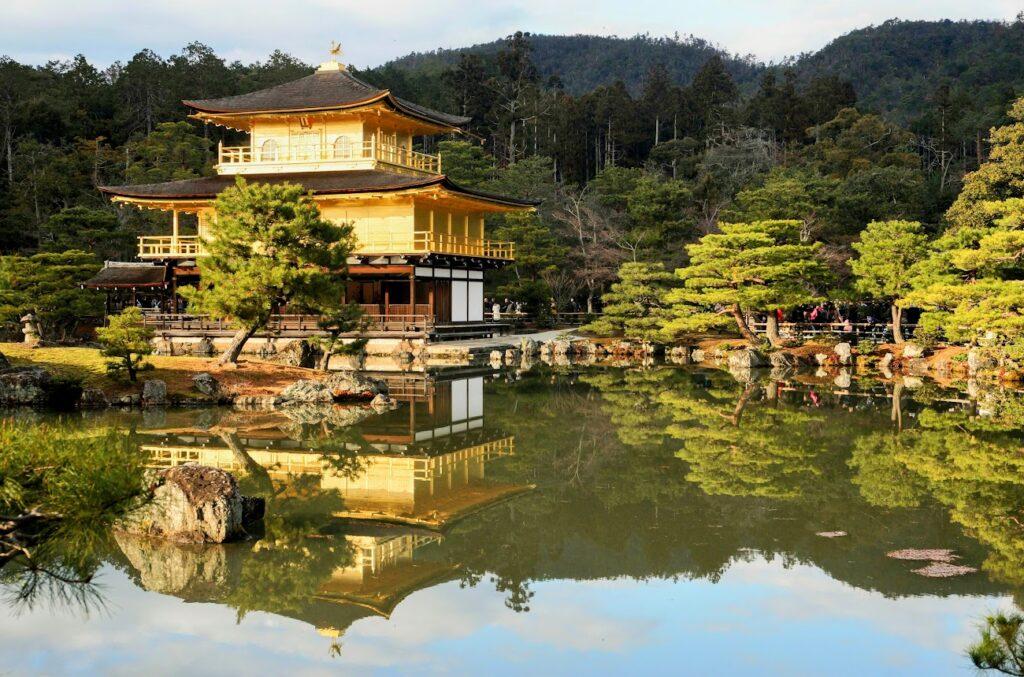
Introduction: Traces of a Biblical People Hidden at the Edge of the East
1. The Hata Clan and Uzumasa, Kyoto: A Place Name with a Hebrew Resonance
Contribution to the Construction of Heian-kyo: An Ancient Engineering Guild
In the late 8th century, when Emperor Kanmu decided to relocate Japan’s capital to Heian-kyo (modern-day Kyoto), the Hata clan played a central role in its construction. They provided exceptional civil engineering expertise, such as building large-scale irrigation facilities (Katsuno-Ozeki Weir) on the Katsura River, significantly contributing to the development of the Kyoto Basin. Their technical prowess was truly an ancient “engineering guild,” comparable to modern urban planning and infrastructure development.
The Etymology of “Uzumasa”: A Striking Coincidence with Hebrew
2. The Roots of the Japanese People and the Hata Clan: The Eastward Journey of the Lost Ten Tribes
The Hata clan’s activities were a driving force behind the cultural enlightenment of ancient Japan. Their existence is indispensable when considering the roots of Japanese culture that continue to this day.
The Era of Emperor Ojin and Ancient Globalization
The Hata clan is believed to have arrived in Japan during the late 4th to early 5th century, the era of Emperor Ojin. At that time, Japan (Wa-koku) was actively seeking to incorporate advanced continental civilizations. Emperor Ojin proactively welcomed immigrants from the Korean Peninsula, utilizing their knowledge and skills for nation-building. The Hata clan were “ancient global experts” possessing advanced knowledge, technology, and unique cultures.
Japan as the Eastern Terminus of the Silk Road
3. The Hata Clan and the Jewish Royal Family: The Intersection of the Bible and Shinto
Yuzuki-no-Kimi and Nestorian Christianity (Keikyo)
•Torii Gates: Resembling the gates of the Torah in Judaism.
Royal Lineage: Descendants of King David?
4. Ancient Landmarks: Concrete Traces of the Hata Clan in Kyoto
Koryu-ji Temple: A Fusion of Greek Art and Eastern Faith
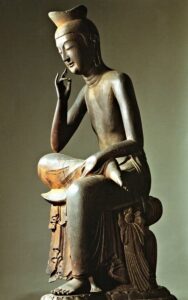 Koryu-ji Temple (広隆寺), the clan temple of the Hata, houses the Miroku Bosatsu (Maitreya Bodhisattva), Japan’s first National Treasure. Its “Archaic Smile” is linked to ancient Greek sculptural styles—a “cultural time capsule” showing how Hellenistic culture reached Japan via the Silk Road.
Kijima Shrine: The Mystery of the Three-Pillar Torii
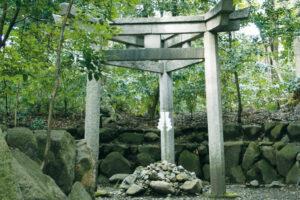
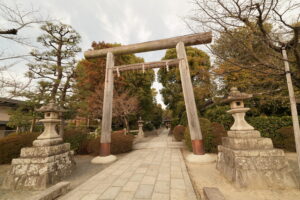 Kijima Shrine (木島神社) in Uzumasa features the extremely rare “Mitsu-bashira Torii” (Three-Pillar Gate). Its triangular structure is often theorized to symbolize the Christian Trinity (Father, Son, and Holy Spirit), suggesting the site was a sacred place for ancient Nestorian Christians.
5. Timeline: The Hata Clan in Global Context
Century | Japanese Era | Key Events in Japan | Global Context (Europe & Middle East) |
3rd | Kofun Period | Queen Himiko sends envoys to China. | Crisis of the Third Century in the Roman Empire. |
4th | Yamato Court | Emperor Nintoku builds giant kofun. | Christianity legalized in the Roman Empire. |
5th | Hata Arrival | Hata clan (Yuzuki-no-Kimi) arrives. | Fall of the Western Roman Empire (476 AD). |
6th | Buddhism Intro | Buddhism officially introduced to Japan. | Emperor Justinian reunites the Mediterranean. |
7th | Taika Reform | Ritsuryo legal system progresses. | Birth of Islam and rapid expansion. |
8th | Heian-kyo | Capital moved to Kyoto (794 AD). | Charlemagne unifies Western Europe. |